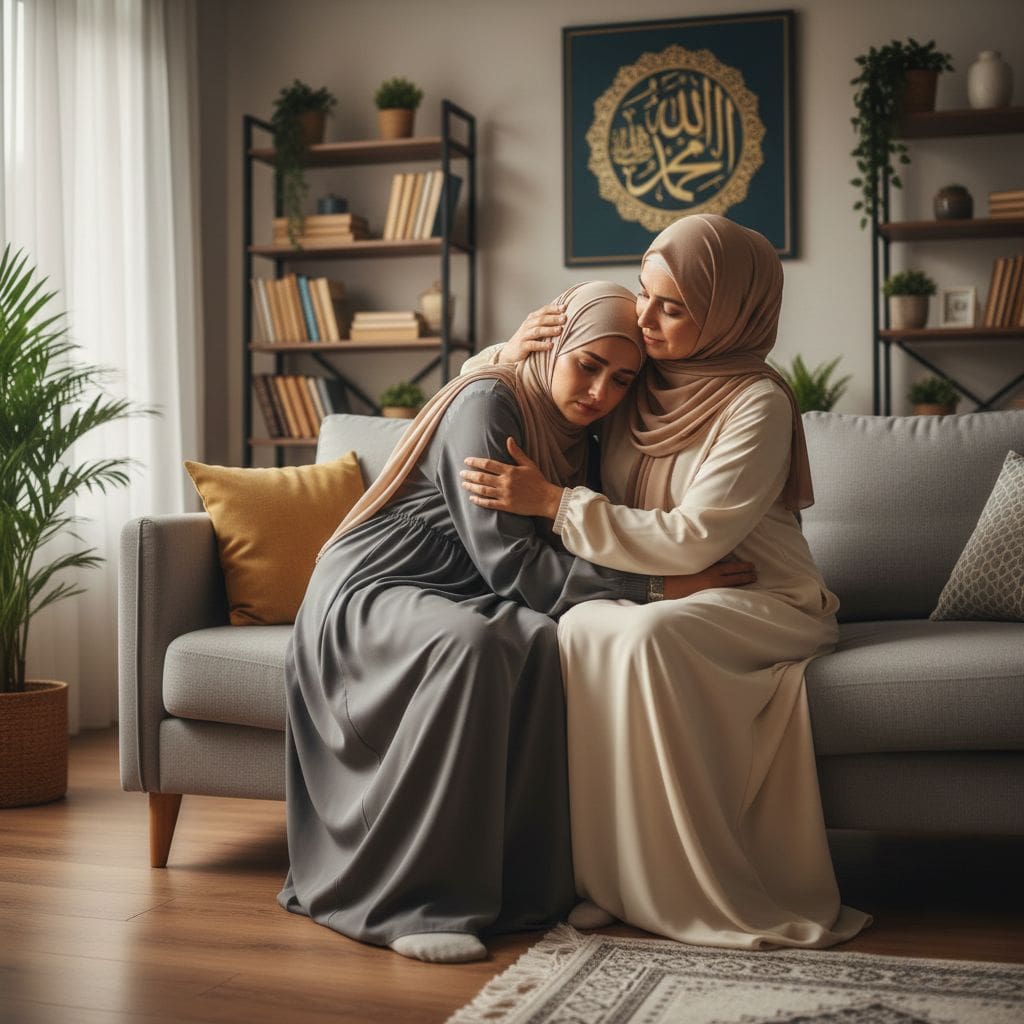
Mental health conversations are no longer on the sidelines of Muslim communities—they’re front and center. Google search trends show a steady rise in keywords like Islam and mental health, Muslim anxiety, depression in Islam, therapy for Muslims, and faith and mental health. This reflects a growing realization: emotional well-being matters, and Islam has always acknowledged the human need for balance, healing, and compassion.
Islam Recognizes Emotional Struggle
One of the most misunderstood ideas is that strong faith means emotional immunity. Islam never taught that. The Qur’an openly acknowledges grief, fear, and sadness. Allah says:
“And We will surely test you with something of fear and hunger and a loss of wealth and lives… but give good news to the patient.” (Qur’an 2:155)
This verse doesn’t dismiss pain – it validates it. Feeling anxious or depressed does not mean weak iman. It means you are human.
According to the World Health Organization, 1 in 4 people globally will experience a mental health challenge at some point in their lives. Muslims are not exempt from this reality, and Islam never asked them to ignore it.
Therapy and Islam: Not Opposites
Searches for Is therapy halal, Muslims and counseling, and the Islamic perspective on therapy highlight a common concern. Seeking professional help is not a lack of trust in Allah—it is part of using the means Allah has provided.
The Prophet Muhammad ﷺ said:
“Seek treatment, for Allah has not created a disease except that He has also created its cure.” (Abu Dawood)
This hadith forms the foundation for both physical and mental healthcare in Islam. Therapy can coexist with du‘a, salah, and reliance on Allah. In fact, when used together, faith and therapy often strengthen one another.
The Role of Self-Care in Islam
Islamic self-care is not indulgence, it’s a responsibility. The Prophet ﷺ reminded his companions:
“Your body has a right over you.” (Bukhari)
Adequate rest, emotional boundaries, and mindful routines are all part of Islamic living. Modern research supports this wisdom. Studies published by the American Psychological Association show that structured routines and reflection significantly reduce anxiety and burnout.
Practices like prayer, dhikr, and Qur’an recitation are powerful tools for grounding the heart. Allah says:
“Verily, in the remembrance of Allah do hearts find rest.” (Qur’an 13:28)
Where Many Muslims Feel Stuck
Despite these teachings, many Muslims struggle because their learning lacks structure. Random reminders or guilt-driven motivation can increase stress instead of peace. This is why searches for how to strengthen iman, finding peace in Islam, and Islamic guidance for anxiety continue to rise.
Learning Islam in a calm, step-by-step way helps integrate faith into daily life without overwhelm.
A Balanced Path Forward
Happy Muslims Boat’s Islamic learning courses fit naturally into this conversation. Designed for modern Muslims, the courses offer structured, compassionate guidance that helps learners reconnect with Islam without pressure. By focusing on understanding, consistency, and balance, the program supports both spiritual growth and emotional well-being.
Islam is not meant to compete with therapy or self-care, it complements them. When faith, professional support, and intentional learning work together, peace becomes achievable, not theoretical.
You don’t have to choose between your mental health and your faith. In Islam, the path to healing includes both.