
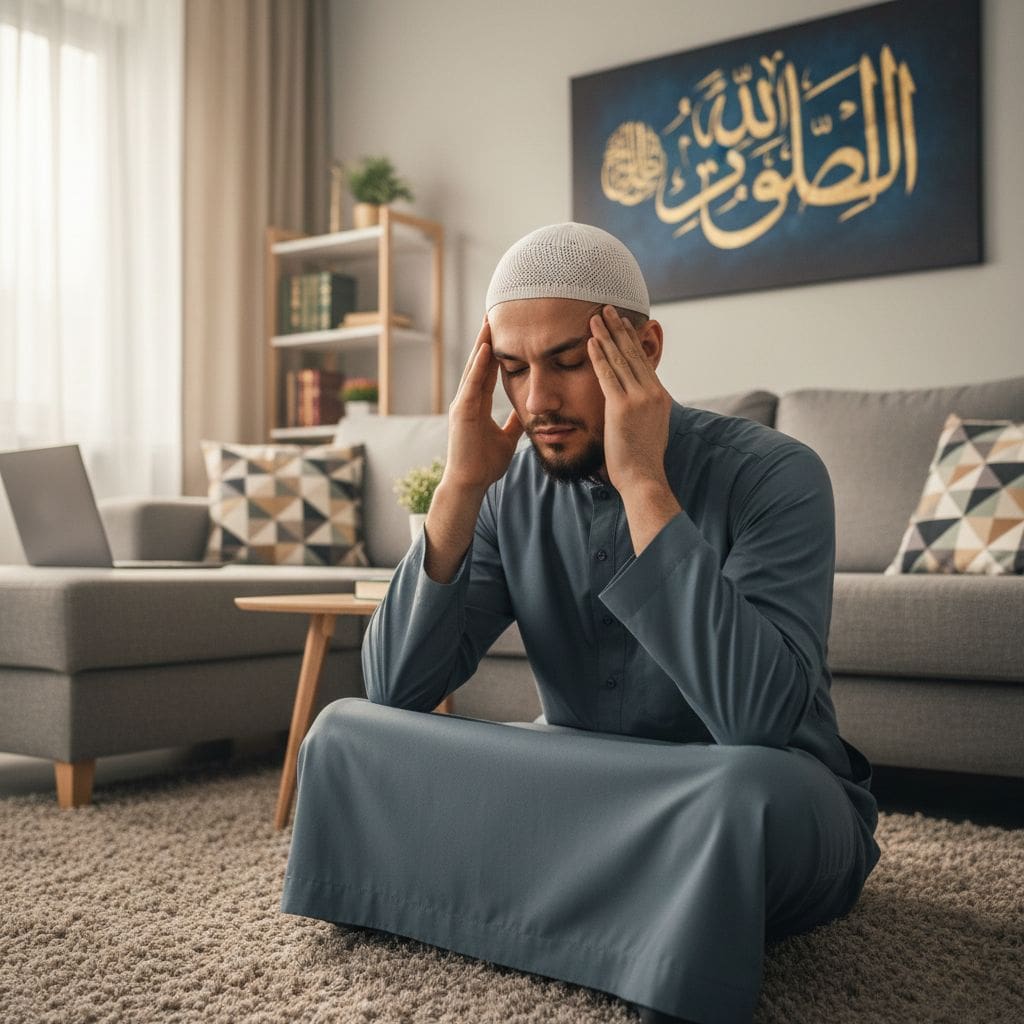
Spiritual burnout is becoming increasingly common among Muslims today. Searches for Islam and mental health, spiritual burnout in Islam, and Muslim mental health support have risen sharply in recent years, especially among young adults and working professionals. Constant pressure, digital overload, and the struggle to “do more” can leave many feeling emotionally drained and spiritually disconnected—even when their faith is strong.
If this sounds familiar, Islam doesn’t dismiss these feelings. In fact, it directly acknowledges emotional exhaustion and offers a deeply compassionate framework for healing.
Islam Recognizes Human Limits
One of the most powerful reminders in the Qur’an is that Allah does not expect perfection. Allah says:
“Allah does not burden a soul beyond what it can bear.” (Qur’an 2:286)
This verse is frequently referenced in discussions around Islamic guidance for stress and anxiety, because it affirms a core truth: feeling overwhelmed does not mean weak faith. It means you are human.
The Prophet Muhammad ﷺ also warned against burnout. In an authentic hadith, he said:
“Do good deeds properly, sincerely and moderately… and take breaks, for your body has a right over you.” (Bukhari)
This aligns closely with modern mental health research, which shows that chronic stress without rest leads to emotional fatigue and disengagement. Islam addressed this balance over 1,400 years ago.
Spiritual Burnout vs. Weak Iman
Many Muslims mistake burnout for weak iman. But scholars explain that spiritual exhaustion often comes from lack of structure, not lack of belief. Doing too much without understanding, or practicing without reflection, can drain the heart.

Today, searches like how to strengthen iman, finding peace in Islam, and mental health in Islam reflect a growing need for intentional, structured spiritual learning. Islam was revealed gradually, so learning and practicing it should also be gradual.
The Sunnah Approach to Emotional Well-Being
The Sunnah teaches balance in worship. The Prophet ﷺ discouraged excessive acts that led to exhaustion and encouraged consistency instead. He said:
“The most beloved deeds to Allah are those done consistently, even if they are small.” (Muslim)
Consistency creates emotional stability. It allows worship to nourish rather than overwhelm.
Modern studies support this. According to the World Health Organization, structured routines significantly reduce stress and anxiety. This is why structured Islamic learning plays a key role in spiritual well-being.
Finding Clarity Through Structured Learning
One reason burnout happens is learning Islam in fragments—random lectures, social media clips, or guilt-driven motivation. This is where a guided approach can make a real difference.
Happy Muslims Boat’s online course in Islam is designed to help Muslims reconnect with their faith in a calm, structured, and meaningful way. Rather than overwhelming learners, the course focuses on clarity, balance, and understanding—making it ideal for those experiencing spiritual fatigue.
By learning Islam step by step, learners rebuild their connection with purpose rather than pressure.
Islam Is Meant to Bring Ease
Allah (SWT) reminds us:
“Allah intends for you ease and does not intend for you hardship.” (Qur’an 2:185)
If your spiritual journey feels heavy, it may be time to pause – not quit, and realign with Islam’s original message of mercy and balance.
Spiritual burnout isn’t a failure. It’s a sign that your heart needs gentler guidance, deeper understanding, and space to heal. With the right support, Islam becomes not another burden—but a source of peace once again.