
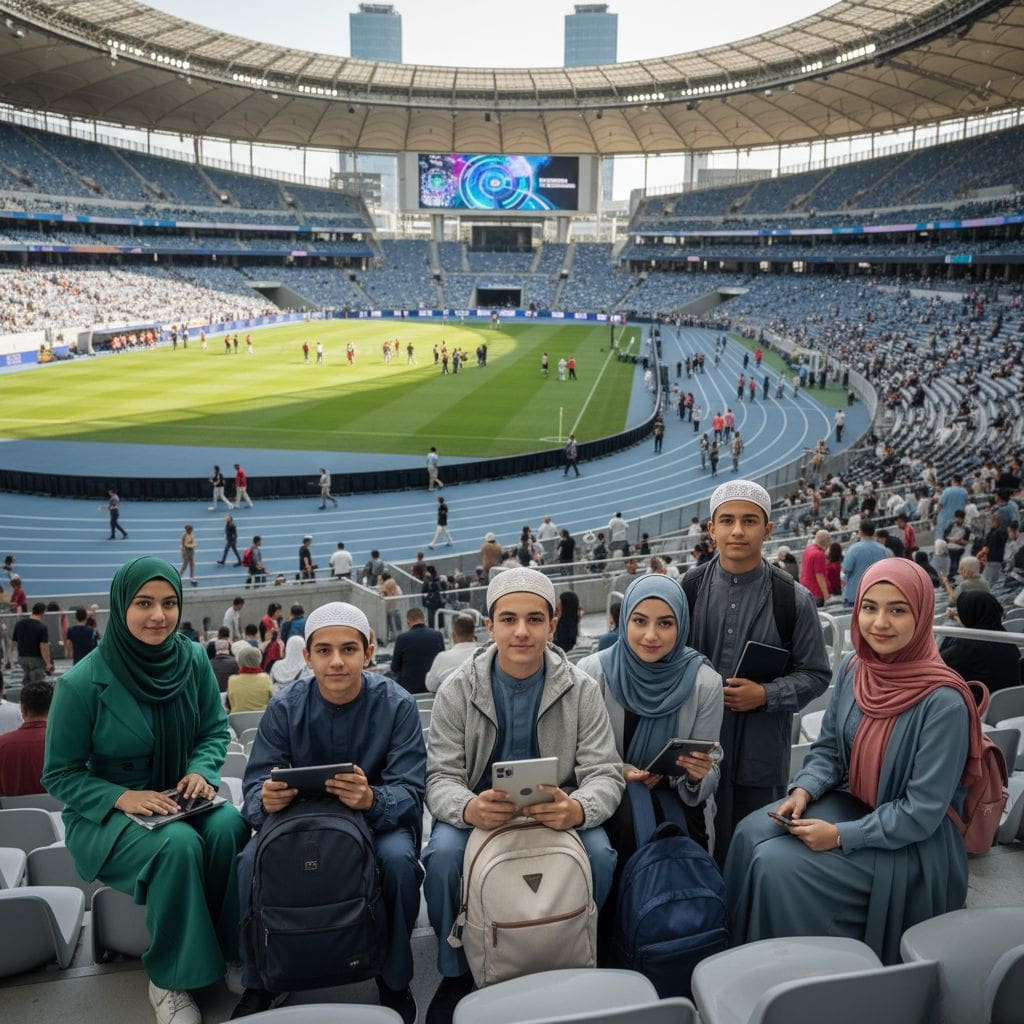
Raising Muslim teens today comes with challenges previous generations never faced. Searches for raising Muslim teens, Muslim teenagers, and social media, Islamic parenting in the digital age, and peer pressure for Muslim youth are trending globally. Social media now plays a major role in shaping how teens think, behave, and view their faith—often more than family, school, or community.
For Muslim parents, the concern isn’t just screen time. It’s faith, identity, and belonging in a world that often pulls teens away from Islamic values.
The Impact of Social Media on Muslim Teens
According to Pew Research Center, 95% of teenagers have access to a smartphone, and nearly 46% say they are online almost constantly. Social media platforms amplify trends around lifestyle, relationships, and self-image—many of which directly conflict with Islamic teachings.
Recent Islamic mental health reports show a rise in anxiety and identity confusion among Muslim youth, especially in Western societies. Constant comparison, online validation, and exposure to inappropriate content place enormous pressure on teens trying to balance deen with modern life.
Allah warns about the power of influence:
“And do not follow that of which you have no knowledge.” (Qur’an 17:36)
This verse reminds parents that unchecked exposure shapes beliefs and behaviors over time.
Faith and Identity in a Digital World
One of the biggest struggles Muslim teens face is identity confusion. Social media encourages teens to define themselves by likes, trends, and peer approval. Islam, however, grounds identity in purpose and accountability.
Allah says:
“Indeed, the most noble of you in the sight of Allah is the most righteous of you.” (Qur’an 49:13)
This message directly challenges the popularity-based culture teens encounter online. Yet without intentional teaching, many teens absorb social media values faster than Islamic ones.
Peer Pressure: Online and Offline

Peer pressure no longer ends at school—it follows teens home through their phones. According to a 2024 Common Sense Media report, teens spend an average of 7 to 9 hours per day on screens, increasing exposure to harmful norms.
The Prophet Muhammad ﷺ emphasized the influence of companionship:
“A person follows the religion of his close friend, so be careful whom you take as friends.” (Tirmidhi)
This hadith is more relevant today than ever, when “friends” include influencers, content creators, and online communities.
What Muslim Parents Can Do Differently
Research in adolescent development shows that teens are more likely to internalize values when parents focus on connection over control. Simply banning apps or issuing rules without discussion often leads to secrecy rather than sincerity.
Islamic parenting experts emphasize:
- Open conversations about online content
- Teaching why Islam sets boundaries
- Modeling healthy digital habits
- Providing structured Islamic learning
Islam was revealed gradually, and that wisdom applies to parenting too:
“And We have spaced it gradually so that you may recite it to the people at intervals.” (Qur’an 17:106)
Building Resilient Muslim Teens
Raising Muslim teens in the age of social media isn’t about isolating them—it’s about equipping them. When teens understand their faith, they are better prepared to navigate peer pressure with confidence.
Recent Islamic education reports show that teens engaged in consistent, structured Islamic learning are significantly more resilient to negative peer influence. Faith becomes an anchor, not a restriction.
In a world full of noise, Muslim teens need clarity, compassion, and guidance. With intentional parenting and strong Islamic foundations, they can grow into confident Muslims who know who they are – online and offline.
Explore our online Islamic course for Muslim Teenagers, specially designed to suit their fast-paced lifestyle.